
The natural reserves and the Bocq Valley
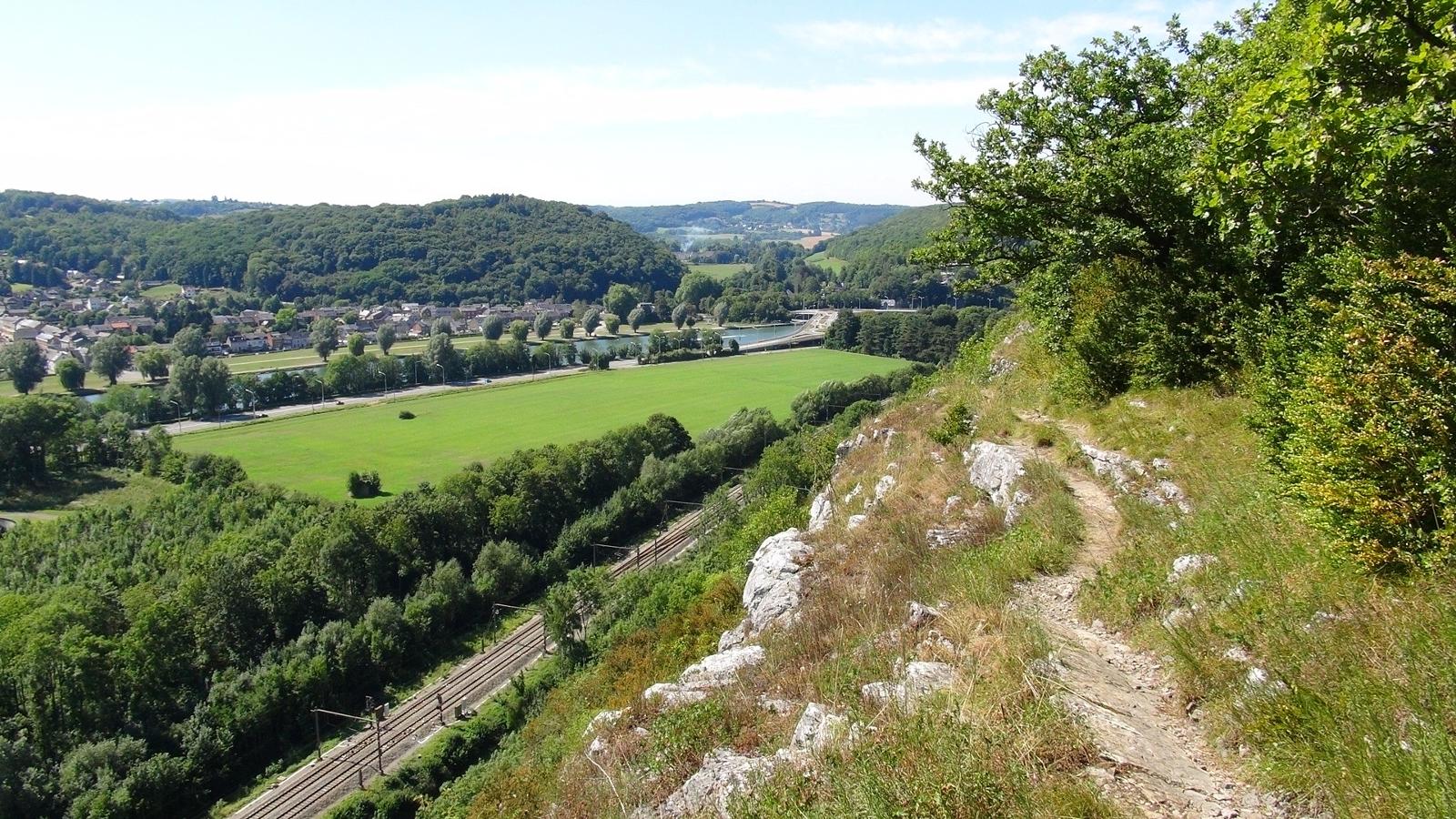
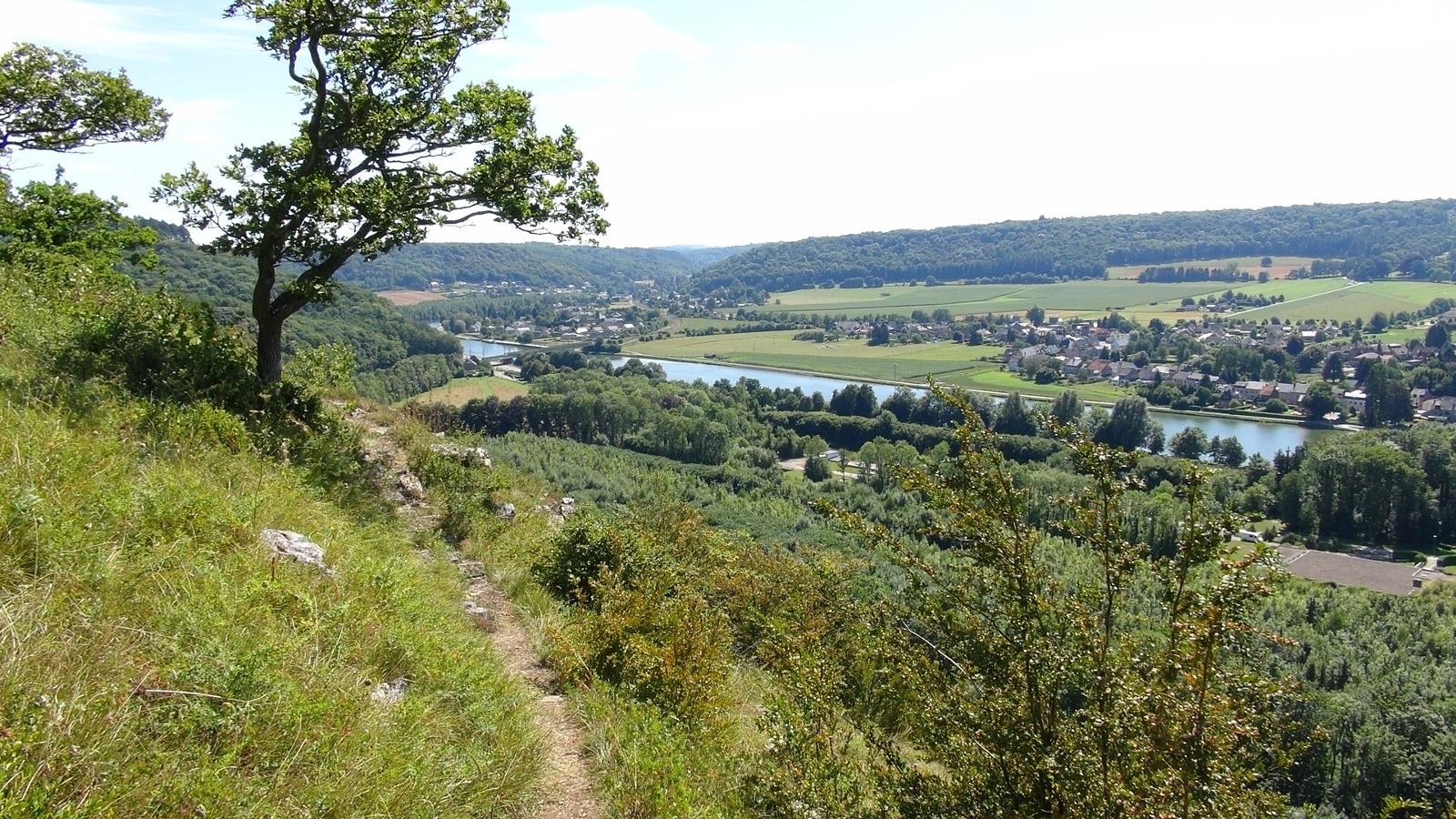
The jewel of the Upper Meuse, Yvoir owes much to its well-preserved natural setting, particularly on the hillsides overlooking the Meuse downstream from Yvoir and in the Bocq Valley. Several hiking trails wind through these natural areas, some of which are protected as nature reserves.
Please be mindful of the Forest Code and stick to marked trails when hiking. For cyclists, mountain biking is permitted only on certain sections—be sure to check your route with the tourist office!
Champalle-Poilvache
Three adjacent areas surround the medieval ruins of Poilvache, each offering different yet complementary points of interest. The Champalle State Nature Reserve, for example, consists mainly of limestone meadows where the bedrock outcrops, featuring unique flora characteristic of these habitats. Surrounding Poilvache Castle, the second state-owned reserve protects the site and features high, steep cliffs and a forest cover of Scots pines; together, these two areas encompass 51 hectares. Further north, the newest reserve (established in 2024) is a certified reserve managed by the nonprofit organization Ardenne et Gaume; it consists of young woodlands and meadows with a hedgerow-like appearance, which active management is expected to diversify in the near future.
Access
On foot, 25 minutes from the centers of Yvoir, Evrehailles, and Houx (marked trails)
By bike, via the RN 937 (Yvoir-Spontin) and the Chemin de Poilvache (parking at the castle)
By car, via the RN 937 (Yvoir-Spontin) and the Chemin de Poilvache (parking at the castle)

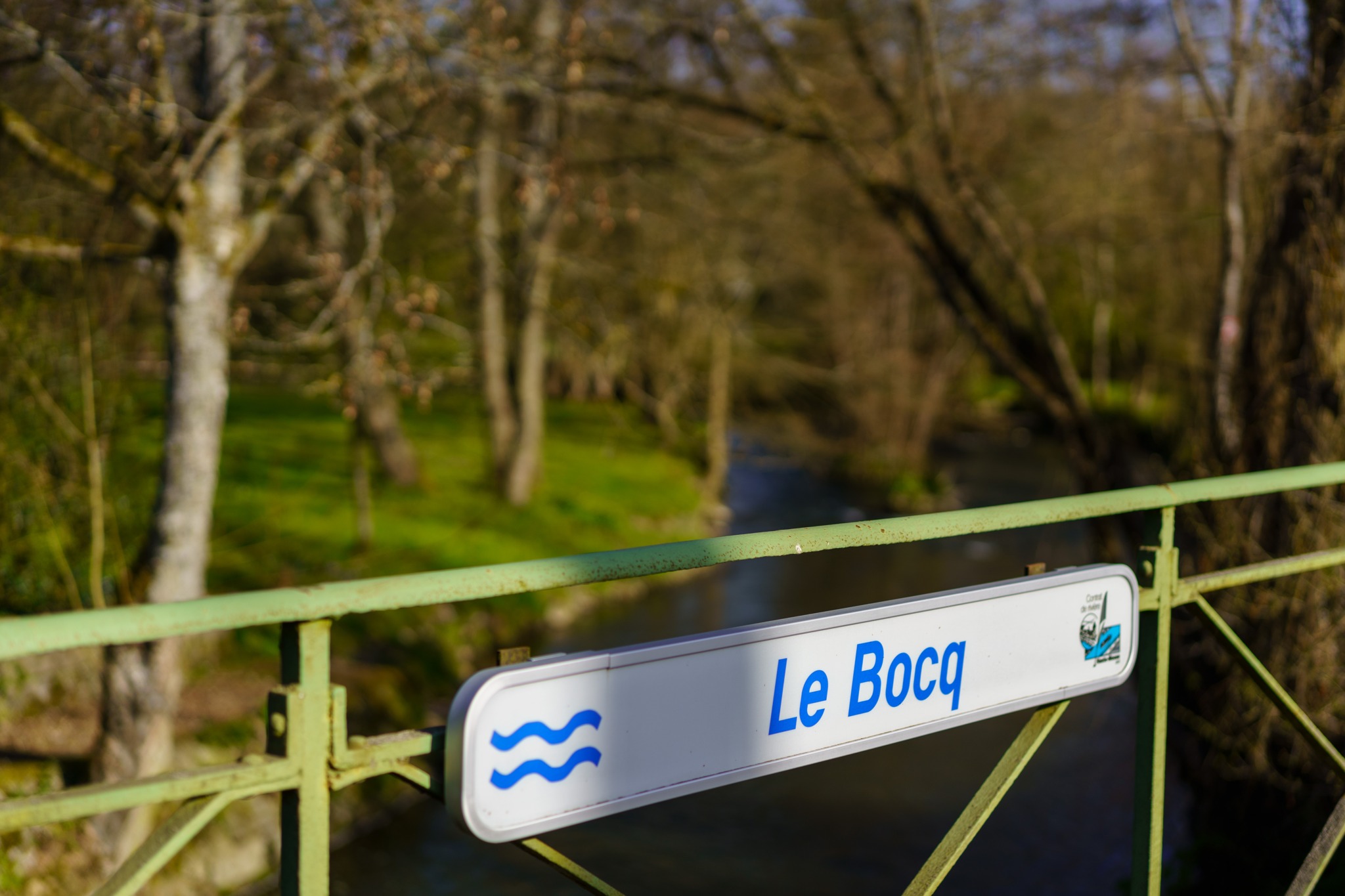


About 30 kilometers long, the river originates in the town of Hamois, flows through Spontin and Bauche, and empties into the right bank of the Meuse at Yvoir. In total, it drops 200 meters in elevation, giving it a vigorous flow that is at times almost torrential. Nestled in a valley that is deep in places, the Bocq takes on the character of a still-wild river, home to trout and salmon, dippers, and dragonflies.
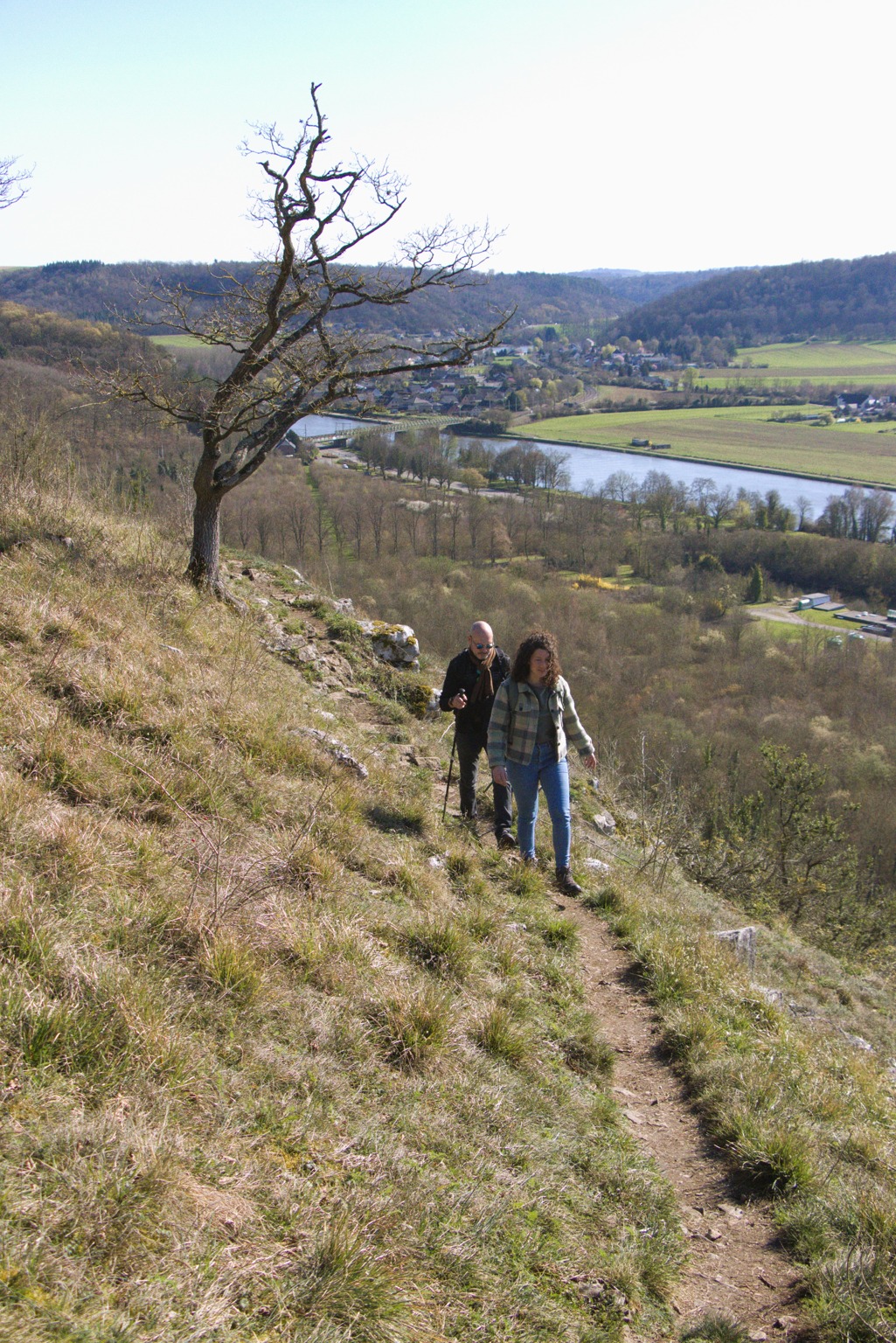
The best way to explore these landscapes is on foot, along the many marked trails that start from several villages in the municipality.